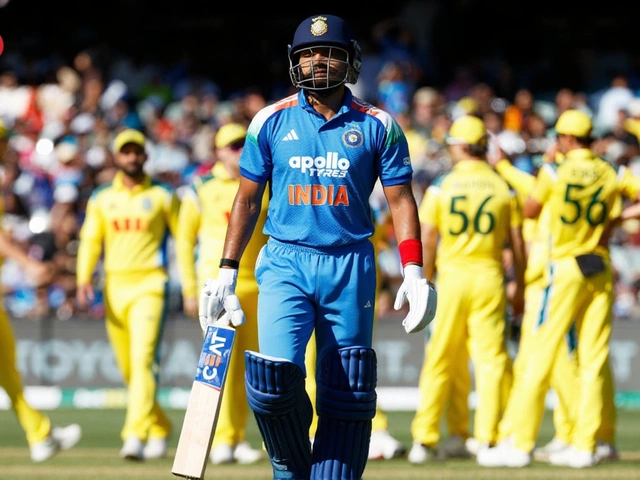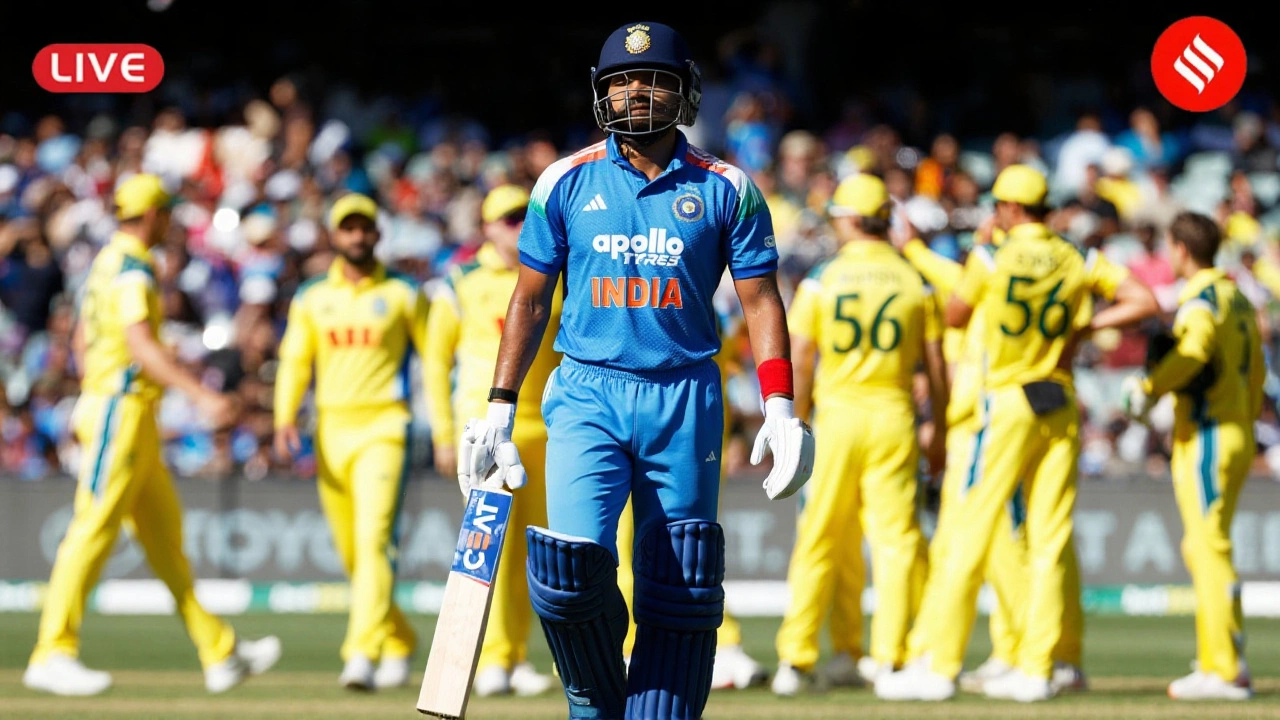
When Cooper Connolly, a 22‑year‑old all‑rounder, ripped through South Africa’s lineup with a stunning five-wicket haul on August 25, 2025, Australia thundered to a 276‑run win at the Great Barrier Reef Arena in Mackay, Queensland. The match, the third ODI of South Africa’s tour, saw Australia post their second‑highest ever total – 431 for 2 – before skittling the visitors for just 155. The margin set a new record for South Africa’s biggest defeat in ODIs, and Connolly’s figures of 5/22 in six overs became the best by an Australian debutant achieving a five‑wicket haul.
Series Background
The five‑match series began on August 19, 2025, with South Africa taking a 1‑0 lead after a 98‑run victory at Cairns’ Cazalys Stadium. A second win at the same Mackay venue on August 22 tipped the series 2‑0 in the Proteas’ favour, putting the Australians under pressure to avoid a whitewash. The third ODI, a day‑night clash using the pink ball, was billed as a make‑or‑break encounter for both sides.
Match Highlights
Australia won the toss and elected to bat. Travis Head anchored the innings with 142 off 103 balls, while Cameron Green smashed a maiden ODI century – 137 runs from just 78 deliveries – the second‑fastest Australian century in ODI history. The partnership propelled the hosts to 431/2 in 50 overs, a total only previously eclipsed by the 456/5 against England in 2018.
South Africa’s reply faltered early. Opener Dewald Brevis managed a fast‑fire 49 off 28 balls before being caught behind. The Proteas were bowled out for 155 in 24.5 overs, with the last wicket falling on the 153‑run deficit.
Connolly's Breakthrough Performance
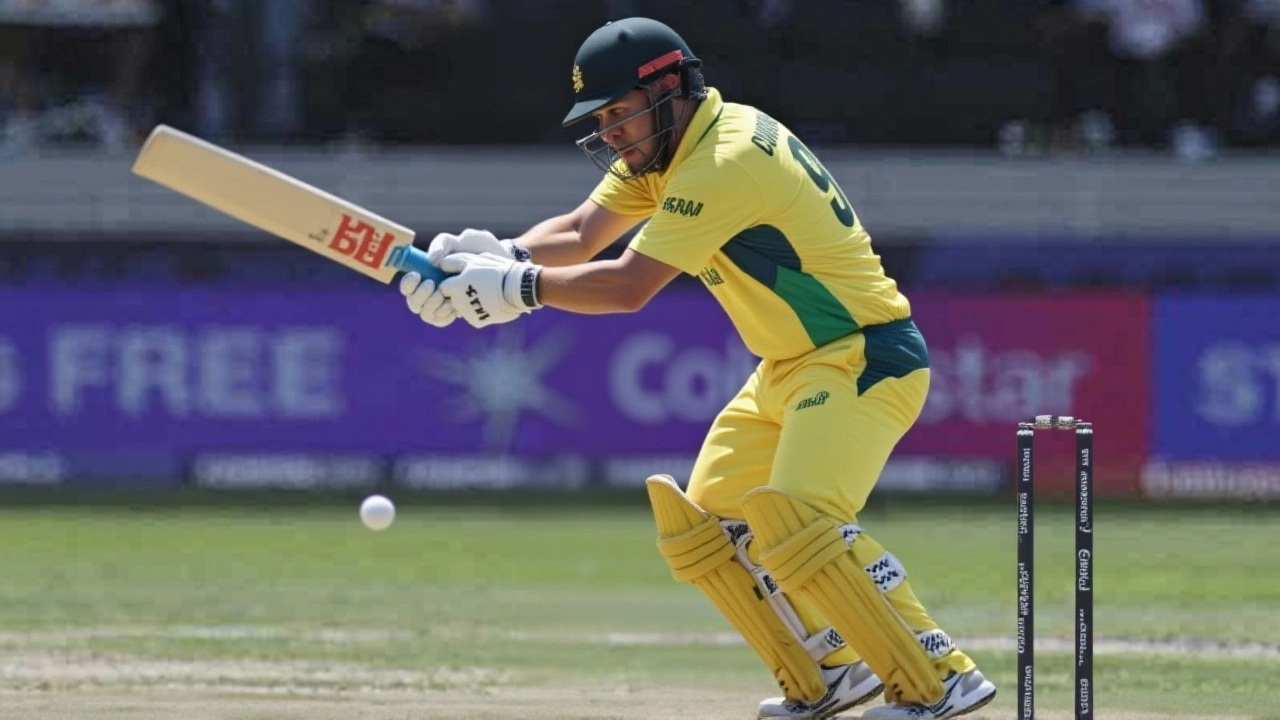
Connolly entered the attack after Australia had already taken three wickets. In his six‑over spell he claimed the scalps of Aiden Markram (caught for 17), Keshav Maharaj (bowled for a duck), Lungi Ngidi (caught for 5), Prenelan Subrayen (lbw for 3) and Gerald Coetzee (caught for 0). His economy of 3.67 runs per over and average delivery speed of 142.3 km/h – with a fastest ball clocked at 148.7 km/h – underlined the raw pace he brings to the Australian attack.
The Australian Cricket Board (ACB), based at the Jolimont Centre in Melbourne, confirmed that Connolly’s haul set a new benchmark for a debutant achieving a five‑wicket haul for Australia, eclipsing the previous record held by Brett Lee in 2000.
Reactions from Players and Officials
Cricket Australia CEO Nick Hockley praised the youngster immediately after the match: “Cooper’s performance today cements his place in this Australian setup. To take a five‑wicket haul in just his eighth ODI, especially in such a comprehensive victory, shows the quality of talent we have coming through the ranks.”
Australia’s captain, Pat Cummins, added, “Cooper has been working tirelessly in the nets. To see him rewarded with figures of 5/22 in a crucial match means the world to him and to our team.”
South African Cricket Association (SACA) President Haroon Lorgat was less sanguine: “This is a wake‑up call for our team. Conceding 431 runs is unacceptable at this level, and while Connolly bowled exceptionally well, our batsmen must take responsibility for such a low score in response.”
South Africa’s skipper, Temba Bavuma, admitted, “We got outplayed in every department today. Connolly’s spell broke the back of our innings when we were trying to build a platform.”
The match officials – on‑field umpires Paul Wilson and Richard Kettleborough, TV umpire Chris Gaffaney, and referee David Boon – all praised the quality of play, noting the pink‑ball conditions added an extra layer of difficulty for the bowlers.
Implications for Both Teams
The result kept Australia from a series whitewash and restored confidence ahead of the upcoming T20 World Cup. The win also highlighted the depth of Australia’s pace pool, suggesting that the selectors could rotate the attack without sacrificing potency.
For South Africa, the drubbing exposed frailties in both top and middle order batting against high‑velocity swing. SACA has already announced a review of the batting preparation programme, with a focus on coping with short‑run, high‑pace bowling under lights.
Statistically, the 276‑run margin is the second‑largest ever for an Australian side in ODIs and the largest defeat for South Africa in terms of runs. The data also shows a stark contrast in strike rates: Australia’s top‑order hit at 181.2, whereas South Africa managed just 62.5 overall.
Future Outlook
Looking ahead, Connolly is set to receive the Dean Jones Medal for Player of the Match – a trophy named after the late Australian great who passed away in 2020. The accolade will likely accelerate his inclusion in the World Cup squad.
Australia will now shift focus to the upcoming T20 series against New Zealand, where the pace attack’s form will be tested in a different format. Meanwhile, South Africa plans a remedial training camp in Johannesburg, targeting technique against swing and seam ahead of their home series against England later this year.
The Great Barrier Reef Arena, upgraded in 2023 at a cost of AUD 85 million, proved its mettle as a world‑class venue, hosting all three ODIs with a capacity of 18,000. The successful staging further cements Mackay’s growing reputation as a cricket hub on the Queensland coast.
Frequently Asked Questions
What made Cooper Connolly's bowling so effective in this match?
Connolly combined raw pace – averaging 142.3 km/h – with pinpoint swing on a slightly damp evening surface. His ability to hit the right length in the first six overs forced South Africa into a defensive stance early, leading to four wickets in the powerplay and a crushing economy of 3.67 runs per over.
How does Australia's 431/2 rank historically for ODI totals?
The 431/2 score is the second‑highest ever posted by Australia in ODIs, trailing only the 456/5 set against England in 2018. It also marks the second‑biggest winning margin for Australia, underscoring the batting depth of Head, Green, and the lower order.
What were the key factors behind South Africa's collapse?
Beyond Connolly’s lethal spell, South Africa struggled with a combination of disciplined Australian bowling and a lack of experience under pink‑ball conditions. Their top order failed to build partnerships, and the middle order could not recover from early wickets, resulting in a total of just 155.
Will Cooper Connolly make the World Cup squad?
Given his breakthrough performance and the Dean Jones Medal accolade, selectors are expected to give Connolly a strong case for inclusion. His pace, consistency, and ability to deliver under pressure align with the team’s need for a versatile fast‑bowling option.
How did the Great Barrier Reef Arena’s upgrade impact the series?
The AUD 85 million upgrade introduced a state‑of‑the‑art lighting system and enhanced drainage, allowing the pink ball to retain its colour and seam. Spectators enjoyed improved sightlines, contributing to a vibrant atmosphere that benefitted both teams.