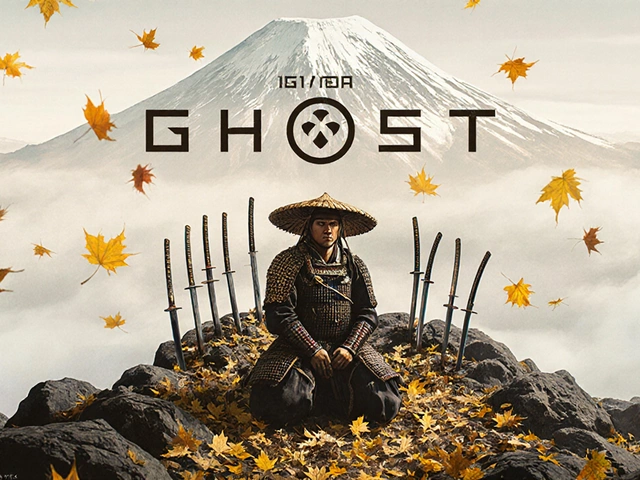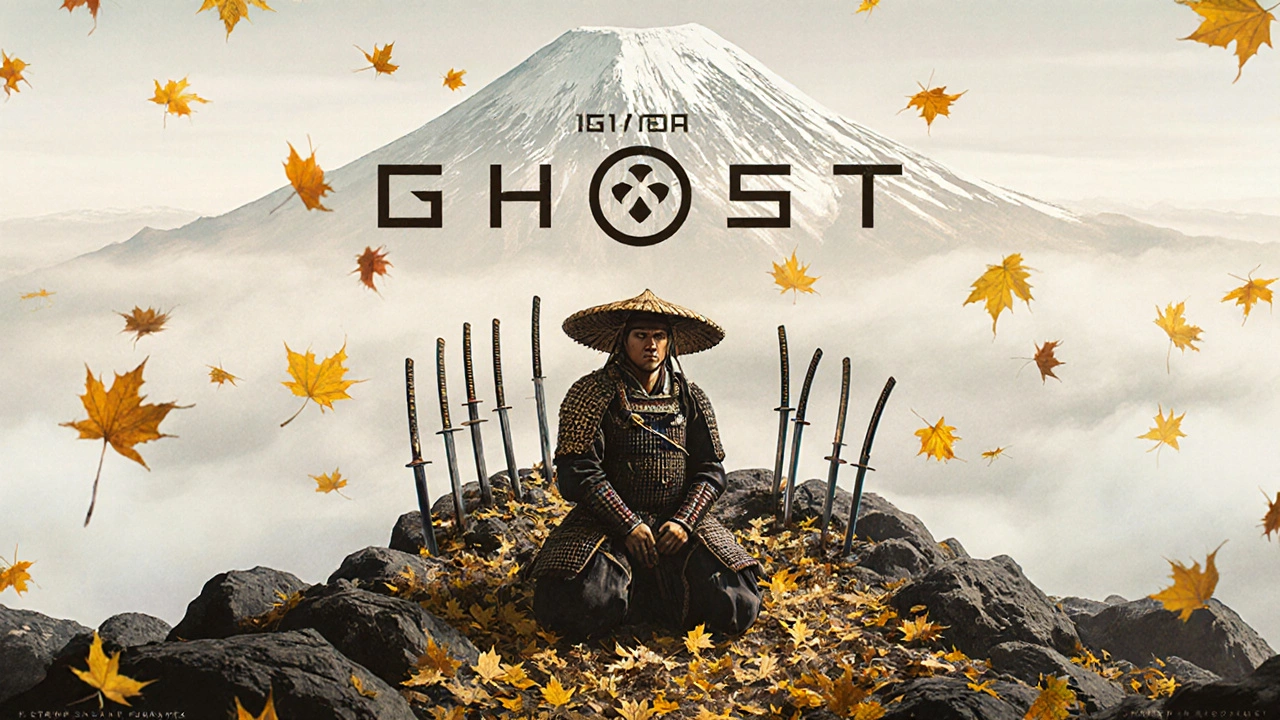
What Sets Ghost of Yōtei Apart?
When Ghost of Yōtei hit the shelves, the first thing reviewers noticed was the jump in visual fidelity. The snow‑capped landscapes of Ezo look more alive than the rolling hills of Tsushima, thanks to higher‑resolution textures and more realistic lighting. The game’s sound design also steps up; traditional Ainu instruments blend with a sweeping orchestral score, giving each battle a fresh emotional punch.
The story follows a new hero, Atsu, a former samurai turned ronin who is hunting down the clan that ruined his family. Unlike the original’s broader wartime canvas, this sequel narrows its focus onto personal vengeance. That tighter lens lets the narrative dive deeper into Atsu’s motivations, making every duel feel like a chapter in his personal diary.

Gameplay Evolutions and Familiar Hooks
Sucker Punch kept the open‑world structure that fans love, but they added a few clever upgrades. The wind navigation system—once a simple way to glide across the map—now reacts to temperature changes, forcing players to plan routes more strategically. New combat moves, such as a dual‑blade parry, give seasoned players fresh ways to string together attacks.
Fans of cinematic modes will appreciate the return of Kurosawa mode, which throws the game into black‑and‑white and swaps the English dub for Japanese voice work. It’s a neat nod to classic samurai cinema and a reminder that the series loves to play with style as much as substance.
WCCftech’s 8.8/10 rating reflects these incremental improvements. The reviewer called the game “evolutionary rather than revolutionary,” meaning it doesn’t reinvent the wheel but polishes it until it shines. Metacritic’s 87/100 score, pulled from 110 reviews, backs that sentiment, showing a solid jump from the original’s 82.