London Underground Guide: What You Need to Know Before You Ride
The London Underground, or the Tube as locals call it, is the oldest subway system in the world. It started in 1863 with a single line and now stretches over 250 km with 11 lines. If you’re new to the city, the Tube can feel confusing, but a few simple tricks make it easy to get around.
Quick History and How the System Works
The first line, the Metropolitan, ran steam trains between Paddington and Farringdon. Today, electric trains zip through deep tunnels and shallow tracks. Each line is identified by a colour and a letter, like the Central line (red, “C”) or the Victoria line (light blue, “V”). Stations display the line’s colour on the signs, so you can spot your route at a glance.
Because the network is busy, trains arrive every 2‑5 minutes during peak hours and every 5‑10 minutes off‑peak. In the evenings, service slows down and some lines close for maintenance. Checking the live status on the Transport for London (TfL) app helps you avoid unexpected delays.
Tickets, Fares and Saving Money
Cash doesn’t work on the Tube. You’ll need an Oyster card, a contactless bank card, or a mobile payment like Apple Pay. Tap in at the entry gate and tap out at the exit gate – the system automatically calculates the cheapest fare.
For short trips, a single fare is fine, but daily travel can be cheaper with a daily cap. If you’re staying in London for a week, consider a Visitor Oyster card or a 7‑day Travelcard. Both give unlimited travel on the Tube, buses and some overground services.
Kids under 11 travel free with a paying adult. Seniors (60+) can use the 60+ Oyster photocard for discounted fares. Remember to tap out; otherwise you’ll be charged the maximum fare.
Practical Tips for a Smooth Journey
1. **Plan ahead** – Use the TfL Journey Planner or Google Maps to see the quickest route. The planner shows any line closures and suggests alternatives.
2. **Mind the gaps** – Some stations have wide gaps between the train and the platform. Stand clear of the edge and watch the warning lights.
3. **Stand on the right** – On escalators, keep to the right so people can walk past on the left.
4. **Keep your belongings safe** – Pickpockets target busy stations. Keep bags in front of you and don’t leave luggage unattended.
5. **Stay quiet** – While conversation is fine, avoid loud phone calls and keep music low. Many commuters appreciate a calm environment.
What to Do If You Get Lost
Every station has clearly marked signs showing the next stop and line colour. If you’re unsure, look for the “Underground” sign and follow the arrows to the nearest interchange. Staff members are usually stationed at larger hubs like King’s Cross or Waterloo – they’ll help you find the right platform.
In case of an emergency, press the red button on the platform or use the help points to contact staff. They can guide you out or provide first‑aid assistance.
Enjoying the Ride
The Tube isn’t just transport; it’s a glimpse into London’s history. Look for original tiles at stations like Covent Garden and the art installations at Bank. If you have time, hop off at museums near stations – the British Museum (Holborn) or the Natural History Museum (South Kensington) are just a short walk away.
With a little practice, the London Underground becomes a smooth, reliable way to explore the city. Grab your Oyster, tap in, and enjoy the ride!
5 September 2025
·
0 Comments
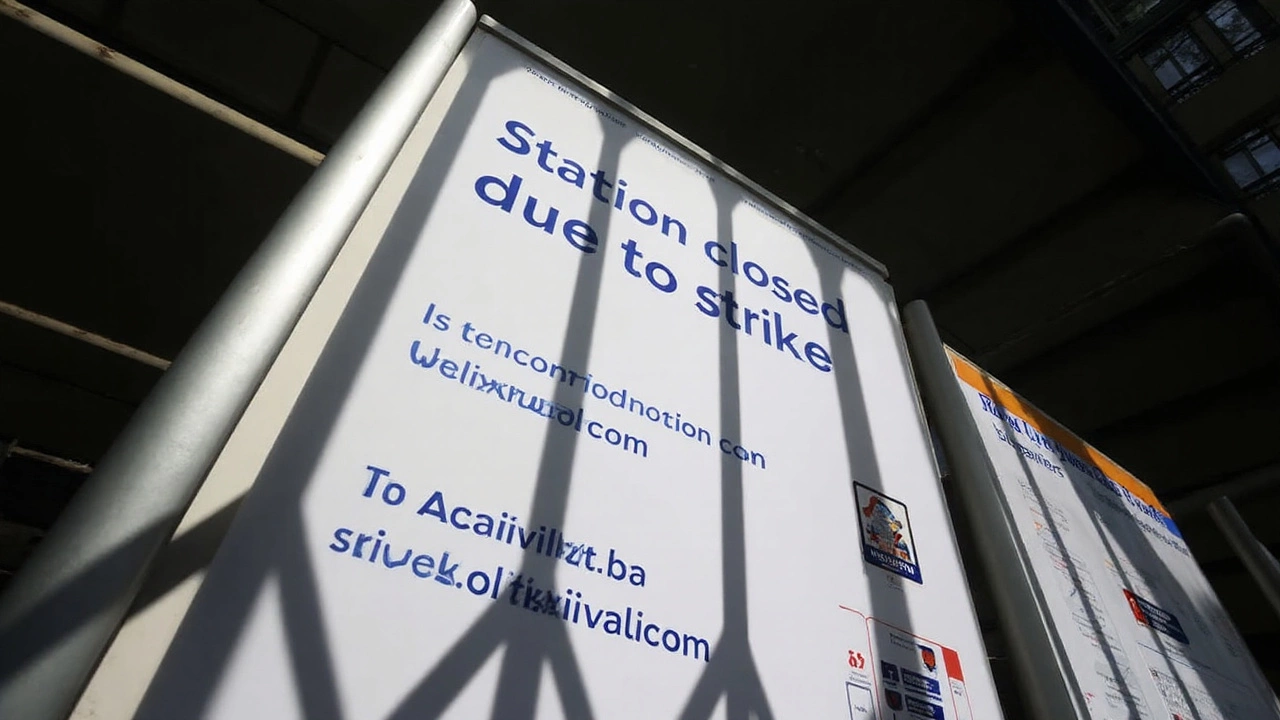
London Underground strikes start Friday evening, 5 September 2025, and roll through to Thursday, 11 September, with the DLR shut on 9 and 11 September. Expect severe disruption across all Tube lines from Sunday. Elizabeth line, Overground, buses and most National Rail will run, but will be busier. Plan extra time, especially for airport trips and major events.
Read more