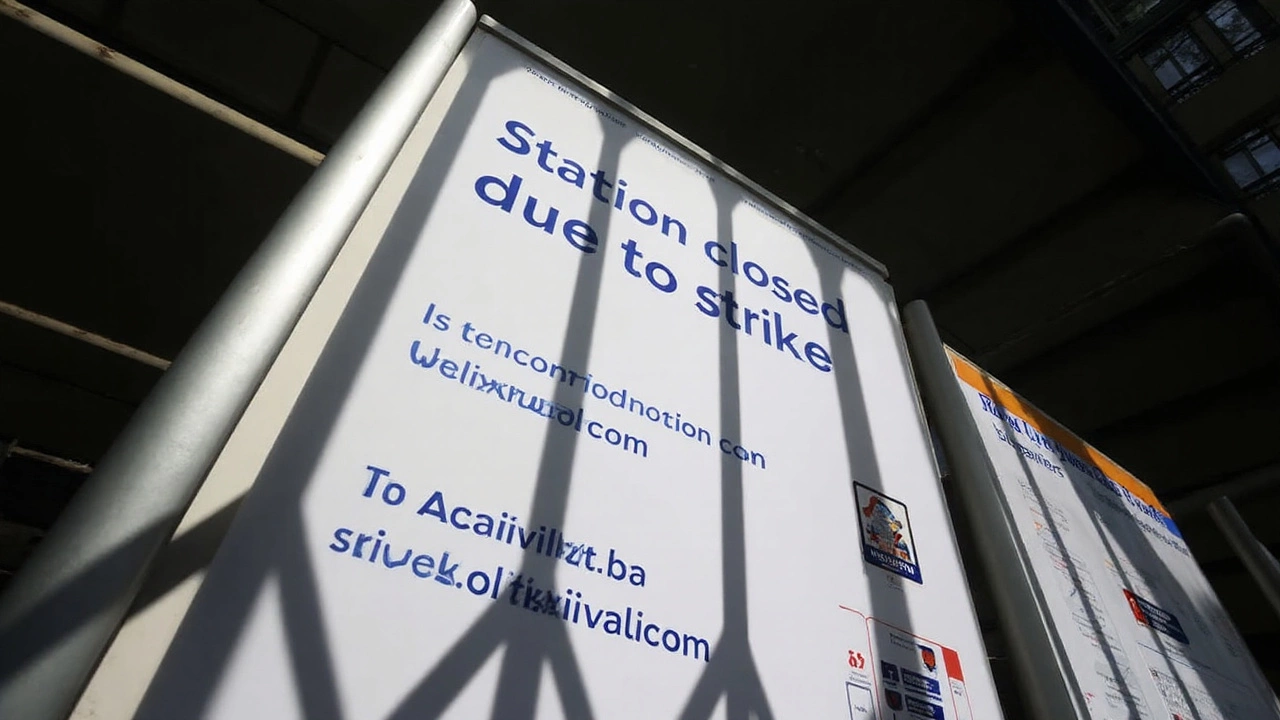
Tube Strikes: What You Need to Know Now
If you rely on the London Underground, a tube strike can feel like the day is already ruined. But a little preparation goes a long way. In this guide we’ll break down why strikes happen, what you can expect on the day of disruption, and how to keep moving without losing your cool.
Why Do Tube Strikes Happen?
Most tube strikes are about pay, working hours, or safety concerns. Unions representing drivers, signal operators, and station staff negotiate with Transport for London (TfL). When talks stall, they vote for a walk‑out to put pressure on the negotiators. It’s not personal – it’s a way to protect jobs and improve conditions.
What Happens When the Strike Starts?
On strike days you’ll see a mix of reduced services, replacement buses, and sometimes total shutdowns on certain lines. Apps and station screens will flash red, and you’ll hear frequent announcements reminding you of the disruption. Expect longer wait times, crowded platforms, and altered routes.
Here’s a quick checklist to run through before you head out:
- Check the latest service status on the TfL app or website.
- Plan an alternate route – maybe a bus, overground train, or a bike.
- Give yourself extra travel time. A 15‑minute buffer can save a lot of stress.
If you’re traveling for work, let your employer know you might be late. Many companies now have flexible policies for strike days.
Practical Tips to Stay Ahead
1. Use live updates. Real‑time maps show which stations are open and which have replacement services. Keep your phone charged and consider a portable power bank.
2. Grab a travel card. Contactless payments work on buses and overground trains, so you won’t need to hunt for tickets if you switch modes.
3. Bring a backup plan. If you’re headed to a venue with a fixed start time (like a concert), consider a taxi or a ride‑share service as a last resort.
4. Stay flexible. Sometimes a surprise “partial service” runs on a struck line. If you have the time, hopping on that train can shave minutes off your journey.
Alternative Ways to Get Around
When the tube is down, London’s bus network picks up the slack. Routes that usually parallel the struck lines (e.g., the 38 for the Central line) run more frequently. Cycling is another solid option – the city’s bike lanes have expanded, and Santander Cycles are docked all over town.
For longer trips, consider the National Rail services that stop at major stations like King’s Cross or Victoria. A quick check on the National Rail Enquiries website will tell you if there are any delays caused by the strike.
What to Expect After the Strike
Once talks resume, services usually return to normal within a day or two. However, you might see a backlog of trains and a few lingering crowds as commuters catch up. Keep an eye on post‑strike updates – sometimes TfL releases a “service recovery” plan with extra trains during peak hours.
Remember, tube strikes are a temporary inconvenience. By staying informed, planning ahead, and keeping a flexible mindset, you can navigate the city without missing a beat. Safe travels!
5 September 2025
·
0 Comments
London Underground strikes start Friday evening, 5 September 2025, and roll through to Thursday, 11 September, with the DLR shut on 9 and 11 September. Expect severe disruption across all Tube lines from Sunday. Elizabeth line, Overground, buses and most National Rail will run, but will be busier. Plan extra time, especially for airport trips and major events.
Read more